Full CMID inspection
Attendance and completion of the current CMID format for the applicable vessel type.
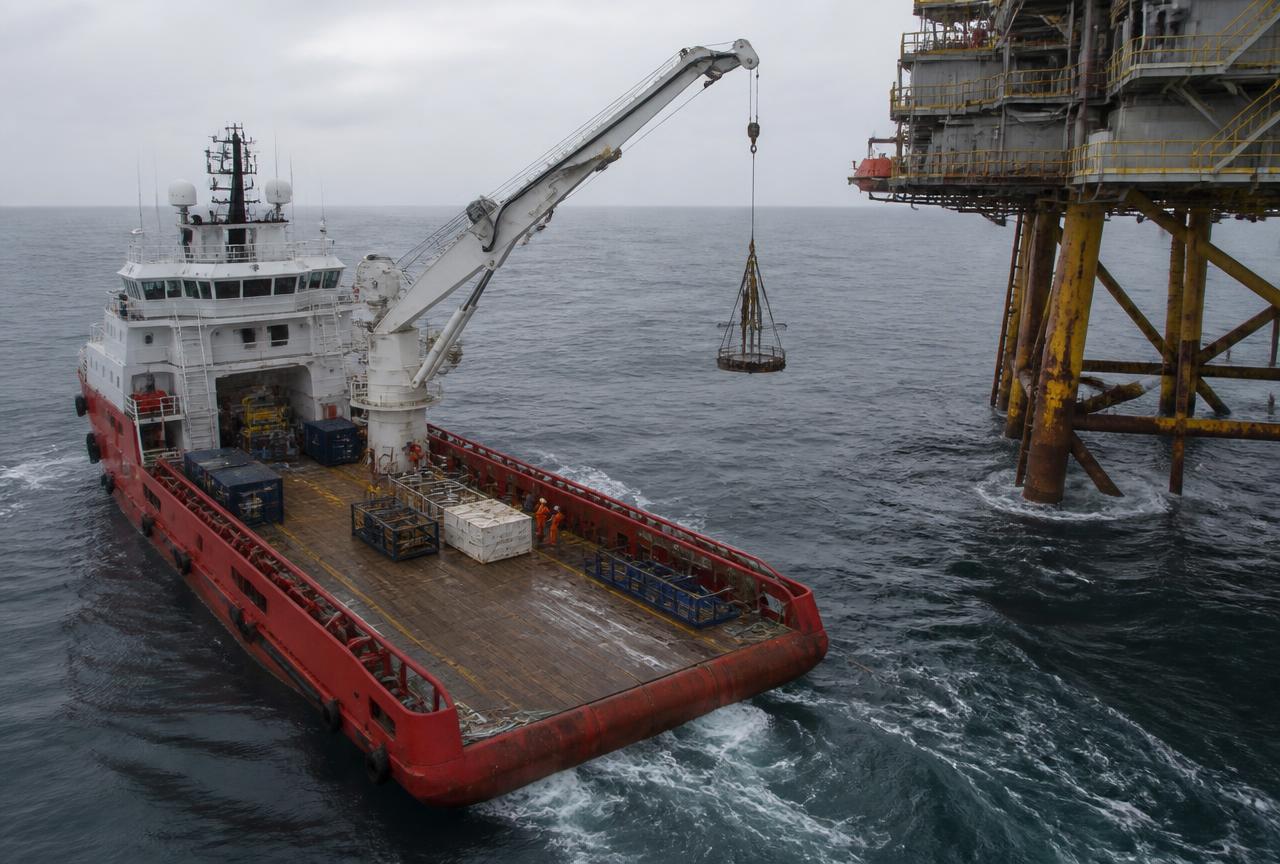
DP & FMEA Trials
IMCA Common Marine Inspection Document inspections supporting safety, consistency and efficiency while reducing unnecessary repeat inspections.
Overview
Maritime Expertise provides IMCA Common Marine Inspection Document inspections designed to support safety, consistency and efficiency while reducing unnecessary repeat inspections.
A CMID gives charterers and operators a common, structured view of a vessel's condition and management, so that one thorough inspection can serve several stakeholders instead of the vessel being inspected repeatedly to different formats.
Scope of work
What we provide
Attendance and completion of the current CMID format for the applicable vessel type.
Identification of likely findings before a client-commissioned inspection takes place.
Support with corrective action planning and evidence of close-out.
CMID combined with DP audit or other scopes to reduce time on board.
Frequently asked
Related services
Vessel-specific DP audits covering system performance, redundancy, documentation and competence.
OCIMF OVID inspections for applicable offshore vessel types.
Technical assurance for dynamically positioned vessels, offshore units and critical marine operations.
Next step
We respond with the right marine professional, a defined methodology and clear reporting expectations.